
[ RESOURCES ]Resources.
Protecting crowded places requires a proactive and informed approach. The resources below have been developed by government agencies, law enforcement organisations, security professionals and industry bodies to help venue owners, event organisers and security practitioners better understand risks, assess vulnerabilities and implement appropriate security measures. They include guidance documents, planning tools, training materials, self-assessment resources and practical advice that can be applied across a wide range of venues and events.
We have grouped these resources into New Zealand Resources and International Resources to make them easier to navigate. While the New Zealand resources provide guidance tailored to local legislation, agencies and operating environments, the international resources offer valuable insights, best practice approaches and lessons learned from around the world. We encourage owners, operators and security professionals to explore these resources and incorporate relevant recommendations into their security planning and risk management processes.
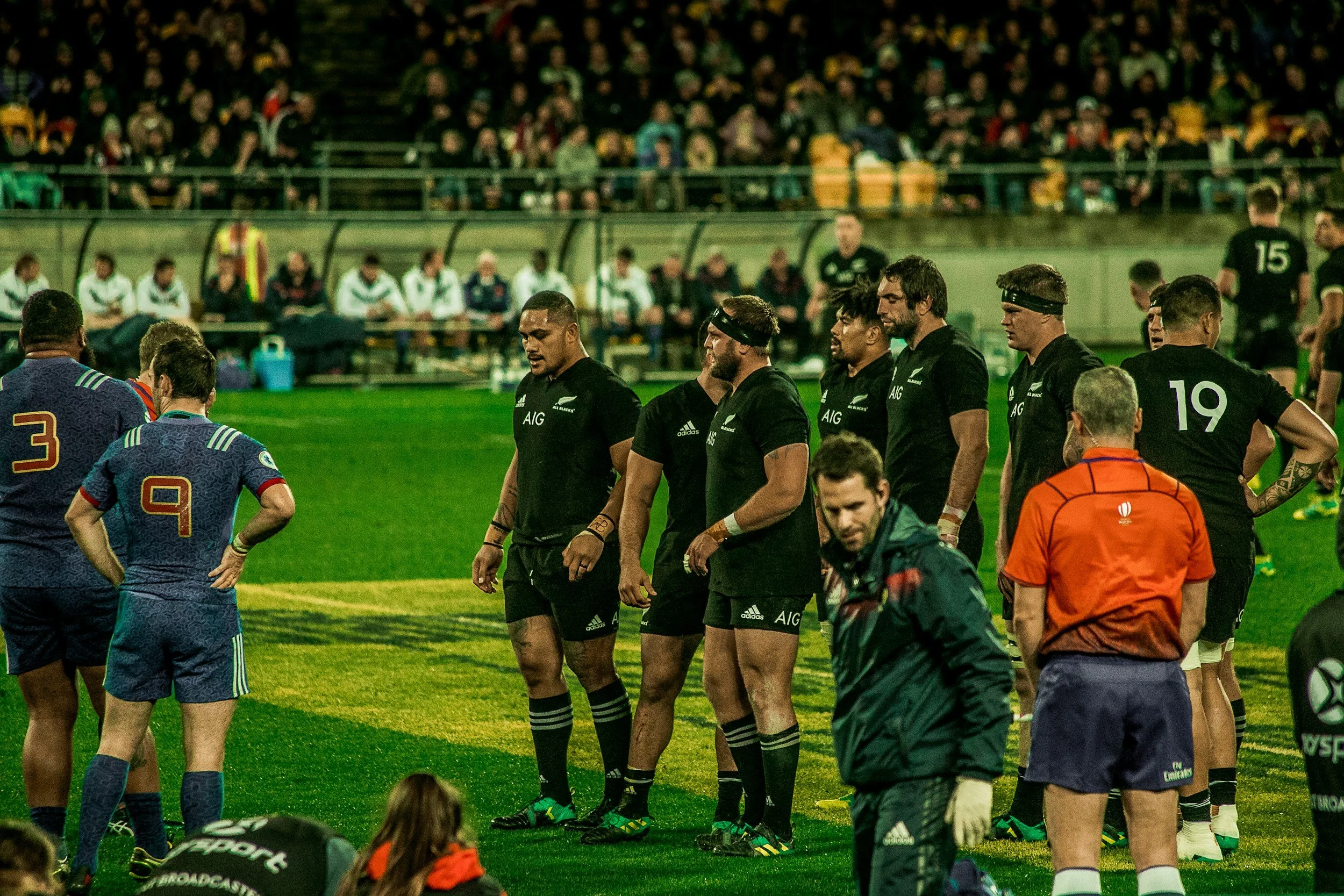
New Zealand Resources.
Crowded Places in New Zealand 2026 Forum Report
National Terrorism Threat Level
Crowded Places Recognising Threats Guidance
Crowded Places Hostile Reconnaissance Guidance
NZSIS ‘Know the Signs’ Guidance
New Zealand’s Countering Terrorism and Violent Extremism Strategy
New Zealand’s Security Threat Environment August 2026
Protective Security Threat and Risk Guidance
Managing Inwards Visits: Protective Security Guidance
National Guidelines for Crime Prevention Through Environmental Design in NZ
A-Z of Security of Crowded Places Terms
-
Access Control
A system that regulates who can enter or access a building, site, room, or digital system using keycards, biometrics, PINs, mobile credentials, or other authentication methods.Active Assailant
An individual actively attempting to cause serious harm to people in a public or private place using weapons or other means.Alarm Monitoring
The continuous monitoring of alarm systems by a security monitoring centre to detect intrusions, fire, medical emergencies, or other incidents and initiate an appropriate response.All-of-Society Approach
A collaborative approach to security where government, businesses, communities, and individuals work together to strengthen preparedness and resilience against security threats.Asset Protection
Measures designed to safeguard people, property, information, and equipment from theft, damage, loss, or sabotage. -
Behaviour Detection
The observation and identification of behaviours that may indicate suspicious, hostile, or pre-attack activity.Biometric Authentication
Identity verification using unique physical characteristics such as fingerprints, facial recognition, iris scans, or voice recognition.Blast Mitigation
Measures designed to reduce the impact of an explosion through protective design, barriers, glazing systems, and emergency planning.Body-Worn Camera (BWC)
A camera worn by security personnel to record interactions and incidents for evidence, accountability, and training.Business Continuity
The ability of an organisation to continue operating during and after a disruptive security incident. -
Casualty Collection Point (CCP)
A designated location where injured people are gathered before receiving medical treatment or evacuation.Certificate of Approval (COA)
A licence issued under the Private Security Personnel and Private Investigators Act 2010 that authorises individuals to work in New Zealand's private security industry.CCTV (Closed-Circuit Television)
A network of surveillance cameras used to monitor and record activities for security and investigative purposes.Command and Control
The structure, communication systems, and decision-making processes used to coordinate emergency responses.Consequence Management
Activities undertaken to minimise the impact of a security incident and support recovery after the immediate threat has passed.Counter-Terrorism
Strategies, intelligence, legislation, and operational activities designed to prevent, deter, detect, and respond to terrorist acts.Crime Prevention Through Environmental Design (CPTED)
A design approach that reduces crime by improving natural surveillance, access control, territorial reinforcement, and maintenance.Control Room
A central location where security personnel monitor alarms, CCTV, communications, and incidents.Crowded Place
A location where large numbers of people gather, making it potentially attractive for malicious acts due to the opportunity for mass casualties or disruption. Examples include shopping centres, stadiums, transport hubs, festivals, entertainment venues, places of worship, and public events.Crowded Places Strategy
New Zealand's national approach to improving the safety and resilience of publicly accessible places through collaboration between government, businesses, and communities.Cybersecurity
The protection of digital systems, networks, and data from cyber threats such as hacking, phishing, ransomware, and malware. -
Duress Alarm
A silent alarm activated when a person is under threat and requires immediate assistance.Dynamic Lockdown
The rapid restriction of movement within a facility while maintaining safe evacuation options where appropriate. -
Electronic Security
Security systems that use technology such as alarms, CCTV, access control, sensors, and monitoring platforms.Emergency Assembly Area
A predetermined safe location where occupants gather after evacuating a building.Emergency Response Plan (ERP)
A documented procedure outlining how an organisation responds to emergencies including fire, medical incidents, natural disasters, or security threats.Escape, Hide, Tell
Emergency guidance promoted by NZ Police encouraging people confronted by an active attacker to escape if possible, hide if escape is not possible, and contact emergency services when safe to do so.Evacuation
The organised movement of people from an area of danger to a place of safety.Evacuation Route
A designated path used to safely move people away from danger during an emergency. -
Facial Recognition
Technology that identifies or verifies individuals by analysing facial features.False Alarm
An alarm activation where no genuine emergency or security incident exists. -
Hardening
Physical or procedural measures that make a site more resistant to attack, including strengthened doors, fencing, bollards, glazing, and controlled access.Hostile Reconnaissance
The deliberate observation or surveillance of a site by an individual or group to identify vulnerabilities before carrying out a malicious act.Hostile Vehicle Mitigation (HVM)
Security measures designed to prevent or reduce the impact of deliberate vehicle attacks, including crash-rated bollards, barriers, landscaping, and vehicle access controls. -
Incident Command
The structured management of personnel, resources, communications, and decision-making during an emergency.Incident Report
A formal written record detailing a security incident, actions taken, and outcomes.Integrated Security System
A solution that combines CCTV, alarms, access control, intercoms, and monitoring into a single platform.Intelligence - Led Security
Security planning based on threat intelligence, risk assessments, and information sharing.Intrusion Detection System (IDS)
A system that detects unauthorised entry into buildings or computer networks. -
Key Management
Processes and systems used to securely issue, monitor, store, and audit physical keys. -
Layered Security
The use of multiple complementary security measures to provide several layers of protection.Lockdown
A procedure that restricts movement into or within a building to protect occupants from an external or internal threat.Loss Prevention
Strategies used to minimise theft, fraud, vandalism, and operational losses. -
Mobile Patrol
Security officers who conduct patrols across multiple locations using vehicles.Monitoring Centre
A facility that receives alarm signals and coordinates responses to incidents.Muster Point
The designated location where occupants assemble after evacuation to enable accountability. -
National Security System (NSS)
New Zealand's framework for coordinating responses to national security risks and emergencies. -
People Flow Management
The planning and management of pedestrian movement to minimise congestion, improve safety, and support emergency evacuation.Perimeter Security
Measures that protect the outer boundary of a property using fencing, lighting, gates, cameras, sensors, and barriers.Physical Security
Measures designed to protect people, property, and infrastructure from physical threats.Private Security Personnel Licensing Authority (PSPLA)
The independent statutory authority responsible for licensing and regulating New Zealand's private security industry.Protective Security
A coordinated approach to safeguarding people, information, infrastructure, and assets through physical, personnel, cyber, and procedural security measures.Protective Security Requirements (PSR)
The New Zealand Government framework that helps agencies protect people, information, and assets from security threats.Protective Security Risk Assessment
A structured assessment of threats, vulnerabilities, and consequences to determine appropriate security controls.Public Realm Security
Security measures implemented in publicly accessible spaces such as streets, transport hubs, parks, civic centres, and public squares. -
Remote Monitoring
The ability to observe security systems from an off-site location using internet-connected technology.Resilience
An organisation's ability to prepare for, respond to, recover from, and adapt following security incidents or disruptive events.Risk Assessment
The process of identifying threats, evaluating vulnerabilities, and determining appropriate security controls.Risk Mitigation
Actions taken to reduce either the likelihood or consequences of identified security risks. -
Safe Refuge
A designated secure area where people can shelter until it is safe to evacuate.Screening
The inspection of people, bags, vehicles, or goods using physical searches or technology to detect prohibited items.See Something, Say Something
A public awareness principle encouraging people to report suspicious activity to authorities.Security Audit
A systematic review of an organisation's security measures to identify strengths, weaknesses, and opportunities for improvement.Security Consultant
A professional who advises organisations on security risks, compliance, and protective measures.Security Officer
A licensed professional responsible for protecting people, property, and assets through observation, patrols, incident response, and customer service.Security Overlay
Additional temporary or permanent security measures introduced for elevated threat levels or major events.Security Perimeter
A controlled boundary established around a site or incident to regulate access.Security Plan
A documented plan outlining security arrangements, responsibilities, emergency procedures, communication protocols, and response actions.Security System Integrator
A specialist who designs, installs, and maintains integrated electronic security systems.Shelter-in-Place
A protective action where people remain inside a secure location until the threat has passed.Situational Awareness
The continuous observation and understanding of the surrounding environment to identify emerging risks and support timely decision-making.Soft Target
A location with high public accessibility and relatively limited physical protection, making it potentially attractive to attackers.Suspicious Behaviour
Actions that appear unusual or inconsistent with normal activities and may indicate hostile intent or criminal activity.Suspicious Item
An unattended or unusual object that may present a security risk and requires assessment according to established procedures.Surveillance
The monitoring of people, property, or activities using personnel or technology. -
Tabletop Exercise
A discussion-based exercise used to test emergency plans, roles, decision-making, and communication without deploying operational resources.Threat Assessment
The evaluation of credible threats to determine their likelihood and potential consequences. -
Vehicle Access Control
Measures used to regulate authorised vehicle entry and prevent unauthorised access.Video Analytics
Artificial intelligence and software that automatically analyse CCTV footage to detect events such as intrusion, loitering, crowding, or unusual behaviour.Visitor Management System (VMS)
A system used to register, verify, and monitor visitors entering a site.Vulnerability Assessment
The process of identifying weaknesses in physical security, procedures, technology, or people that could be exploited. -
Wayfinding
The use of signs, maps, lighting, and design features to help people navigate safely, particularly during emergencies.Workplace Violence Prevention
Policies, training, and security measures designed to reduce the risk of violence in the workplace.